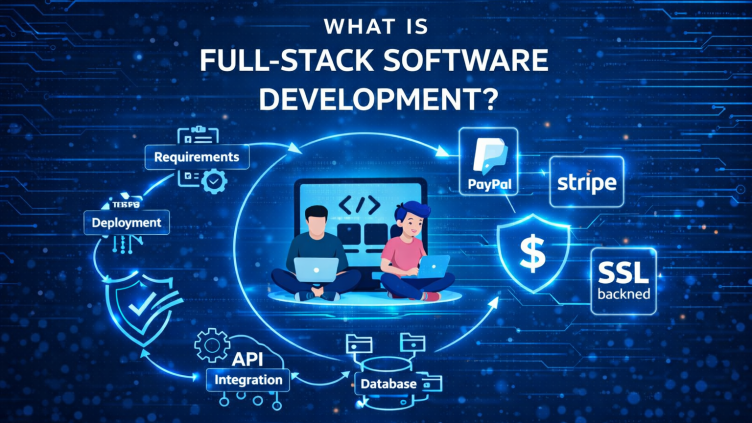

Introduction:
Welcome to my corner of the digital realm! As a backend developer, I specialize in building the infrastructure that powers the web, handling server-side logic, databases, and APIs that make modern applications tick. In this blog, I’ll take you behind the scenes of backend development, sharing insights, best practices, and tips gleaned from years of navigating the intricate world of server-side programming.
1. Mastering Server-Side Languages:
Backend development encompasses a diverse array of programming languages, each with its strengths and weaknesses. From stalwarts like Python and Java to newcomers like Node.js and Go, mastering a server-side language is the first step towards becoming a proficient backend developer.
2. Diving into Databases:
Databases form the backbone of virtually every web application, storing and retrieving data with speed and efficiency. As a backend developer, understanding different types of databases — relational, NoSQL, and in-memory — is crucial for designing scalable and robust data storage solutions.
3. Building APIs for Interoperability:
Application Programming Interfaces (APIs) serve as the bridge between frontend and backend systems, enabling seamless communication and data exchange. Whether you’re developing RESTful APIs or exploring GraphQL, designing clean and intuitive APIs is essential for fostering interoperability and collaboration across teams.
4. Scaling for Success:
As web applications grow in complexity and user base, scaling becomes a primary concern for backend developers. Techniques such as load balancing, caching, and horizontal scaling empower developers to handle increasing traffic and deliver optimal performance, even under heavy loads.
5. Security Best Practices:
Protecting sensitive data and safeguarding against malicious attacks are paramount concerns for backend developers. Implementing security measures such as encryption, input validation, and access control helps mitigate risks and fortify the resilience of backend systems against potential threats.
6. Embracing DevOps Culture:
In today’s fast-paced development landscape, adopting a DevOps mindset is essential for streamlining collaboration between development and operations teams. Leveraging automation tools, continuous integration/continuous delivery (CI/CD) pipelines, and infrastructure as code (IaC) practices accelerates the development cycle and enhances the stability of backend deployments.

Conclusion:
Backend development is the unsung hero of the digital world, powering the functionality and data processing that drive modern applications. By mastering server-side languages, architecting scalable infrastructure, and prioritizing security and collaboration, backend developers play a pivotal role in shaping the digital experiences of users worldwide. Join me on this journey as we unravel the mysteries of backend development and unlock the potential of the web together!